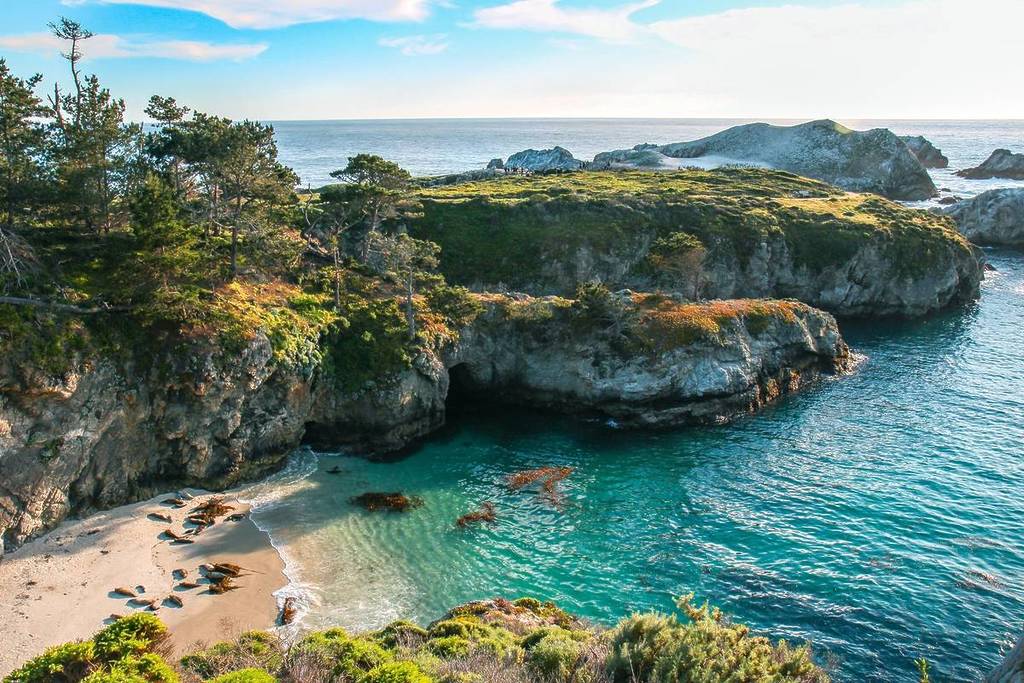
Point Lobos State Natural Reserve
10 min drive
This reserve features hiking trails and coves that complement a quiet village visit with active nature exploration.

Monterey and Carmel sit four miles apart on the same stretch of California coastline, yet they serve different trip profiles. One is a working waterfront city with an aquarium and harbor infrastructure; the other is a pedestrian-scale village built around residential streets, galleries, and a single public beach. The question of monterey or carmel which is better depends on whether you prioritize structured attractions or open exploration.
Quick answer
Carmel suits visitors who want walkable village charm, quiet beach access, and a slower pace across a compact geography—the entire downtown core spans six blocks. Monterey serves those seeking the aquarium, Cannery Row restaurants, and harbor activity, with infrastructure scaled for higher visitor volume. Families with young children often favor Monterey's programmed attractions, while couples and solo travelers lean toward Carmel's gallery district and residential character.
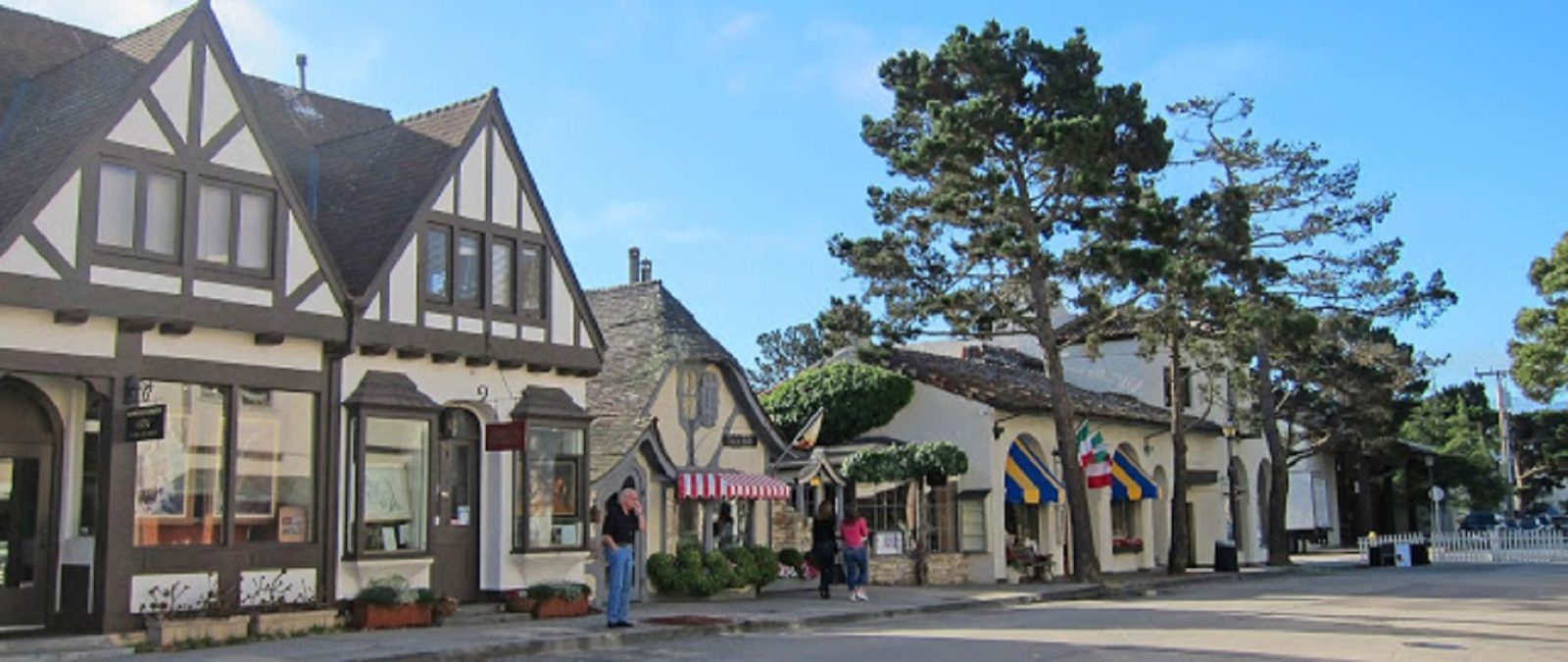
Carmel-by-the-Sea operates without street addresses, sidewalks on many residential lanes, or chain retail—a zoning posture held since incorporation in 1916. The village spans one square mile, with Ocean Avenue serving as the primary commercial corridor from Highway 1 to Carmel Beach. Most visitors cover the downtown perimeter on foot in under twenty minutes, then commit time to individual galleries, courtyards, and the beachfront below Scenic Road. The town remains majority-residential, and its commercial density peaks between 11:00 and 17:00, aligning with the canonical arrival window. Monterey, by contrast, developed as a harbor city with a fishing and canning economy that peaked in the 1940s. Cannery Row, once an industrial waterfront, now holds hotels, seafood restaurants, and the Monterey Bay Aquarium, the region's highest-traffic single attraction. The city spans 11.7 square miles, and its visitor infrastructure—parking structures, tour operators, waterfront bike paths—reflects a municipal scale rather than a village one. Visitors to Monterey typically anchor their day around one or two programmed experiences, then move between sites by car. When deciding monterey or carmel which is better, consider your tolerance for density and your preference for structured versus open itineraries. Carmel rewards meandering—its appeal lies in courtyards tucked behind storefronts, staircases descending to the beach, and the absence of visual clutter. Monterey rewards planning—the aquarium requires timed entry, harbor tours depart on fixed schedules, and parking zones fill by midday on weekends. Neither town is objectively superior; they occupy different positions on the spectrum of coastal visitor experience. The two towns also differ in dining cadence and culinary focus. Carmel's restaurant scene skews toward wine-country pricing and plating, with many menus emphasizing local Monterey County produce and Central Coast wines. Monterey's waterfront restaurants lean into volume service and seafood platters, designed for post-aquarium family groups. Both towns offer quality meals, but the pacing and atmosphere diverge—Carmel tables turn slowly, Monterey kitchens move faster. Carmel Beach, a crescent of white sand at the foot of Ocean Avenue, remains the town's geographic and recreational anchor. The beach allows dogs off-leash year-round and draws families, photographers, and sunset crowds. Entry is free, and the beachfront remains undeveloped except for a small staircase and a single restroom facility. Monterey's coastline is more fragmented—Fisherman's Wharf, the recreation trail, and scattered pocket beaches rather than a single contiguous strand.
“Carmel operates without street addresses, sidewalks on many residential lanes, or chain retail—a zoning posture held since incorporation in 1916.”
Choosing between Monterey and Carmel-by-the-Sea depends on whether you prefer a maritime, historical hub or a quiet, boutique coastal village. Both destinations offer distinct experiences for visitors exploring the Central Coast.
| Monterey Coastal Historical Hub | Carmel-by-the-Sea Boutique Coastal Village Recommended | |
|---|---|---|
| Atmosphere | Maritime and family-oriented | Intimate and scenic village |
| Primary Attractions | Cannery Row and aquarium | Public white sand beach and galleries |
| Walking Experience | Expansive waterfront trails | Compact village streets and lanes |
| Lodging Style | Large resorts and hotels | Boutique inns and cottages |
| Dining Focus | Seafood and harbor-side casual | Refined cuisine and wine tasting |
Verdict: Select Monterey for larger attractions and maritime history, or choose Carmel-by-the-Sea for a slower, pedestrian-focused retreat.
This plan suits visitors with a car who want to experience both towns without rushing. It assumes a 9:00 departure and covers the 4-mile, 10-minute drive between destinations.
Begin at Cannery Row or Fisherman's Wharf to explore the waterfront, aquarium district, and harbor activity. Allow 2.5–3 hours for walking, breakfast, and sightseeing before the late-morning drive south.
The 10-minute coastal route via Highway 1 delivers you to Ocean Avenue as morning fog clears. Park near the village center to maximize walkability.
Stroll the cottage-lined streets, browse galleries along Ocean Avenue, and walk through the fairy-tale architecture of the residential blocks. The compact downtown covers roughly eight blocks.
Descend the wooden staircase at the foot of Ocean Avenue to the white-sand beach, then follow the Scenic Road coastal path. Budget 60–90 minutes for the beach, tide pools, and cypress-lined views.
If energy permits, loop back through Monterey's 17-Mile Drive or return to your starting point. Most visitors find 3–4 hours in Carmel sufficient for a thorough first visit.
The most favorable time to visit Carmel-by-the-Sea is during the shoulder seasons of spring and autumn, specifically aiming for the best arrival window of 11:00–17:00. This period balances mild temperatures with reduced coastal fog, allowing for clearer conditions to explore the village and beach.
Warmest, clearest days; 65–72°F
These months offer the best weather and fewer crowds than summer.
Cool, mild days; 60–65°F
Spring brings blooming flowers and consistent, manageable weather.
—
Arriving before the midday rush ensures easier parking and quieter walks.
Verdict: The best time for a visit is Tuesday to Thursday during September or October, strictly observing the 11:00–17:00 arrival window.
Carmel-by-the-Sea operates with consistent hours for visitors throughout the week, with slightly adjusted timing on Sundays. These hours reflect public access times for the village and beach infrastructure.
Carmel-by-the-Sea operates as an open village, meaning access to the town streets and the public beach does not require a ticket. Visitors do not pay admission fees to explore the area.
Verdict: A typical adult pays 0 USD to visit, though parking fees or local business purchases may apply.
Carmel-by-the-Sea serves as an ideal base for exploring the central coast, offering proximity to both rugged wilderness and iconic scenic routes. These nearby destinations provide natural extensions to a visit, whether you prefer protected coastal landscapes or famous drives.
10 min drive
This reserve features hiking trails and coves that complement a quiet village visit with active nature exploration.
5 min drive
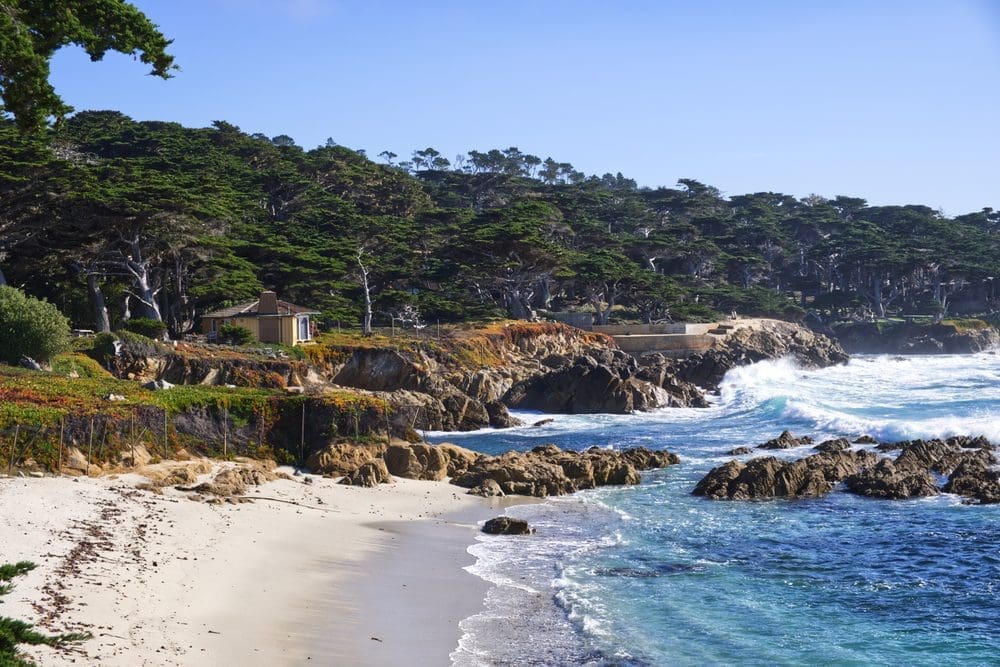
The Pebble Beach entrance is minutes away, allowing visitors to connect the village charm with a famous coastal motoring route.
15 min drive
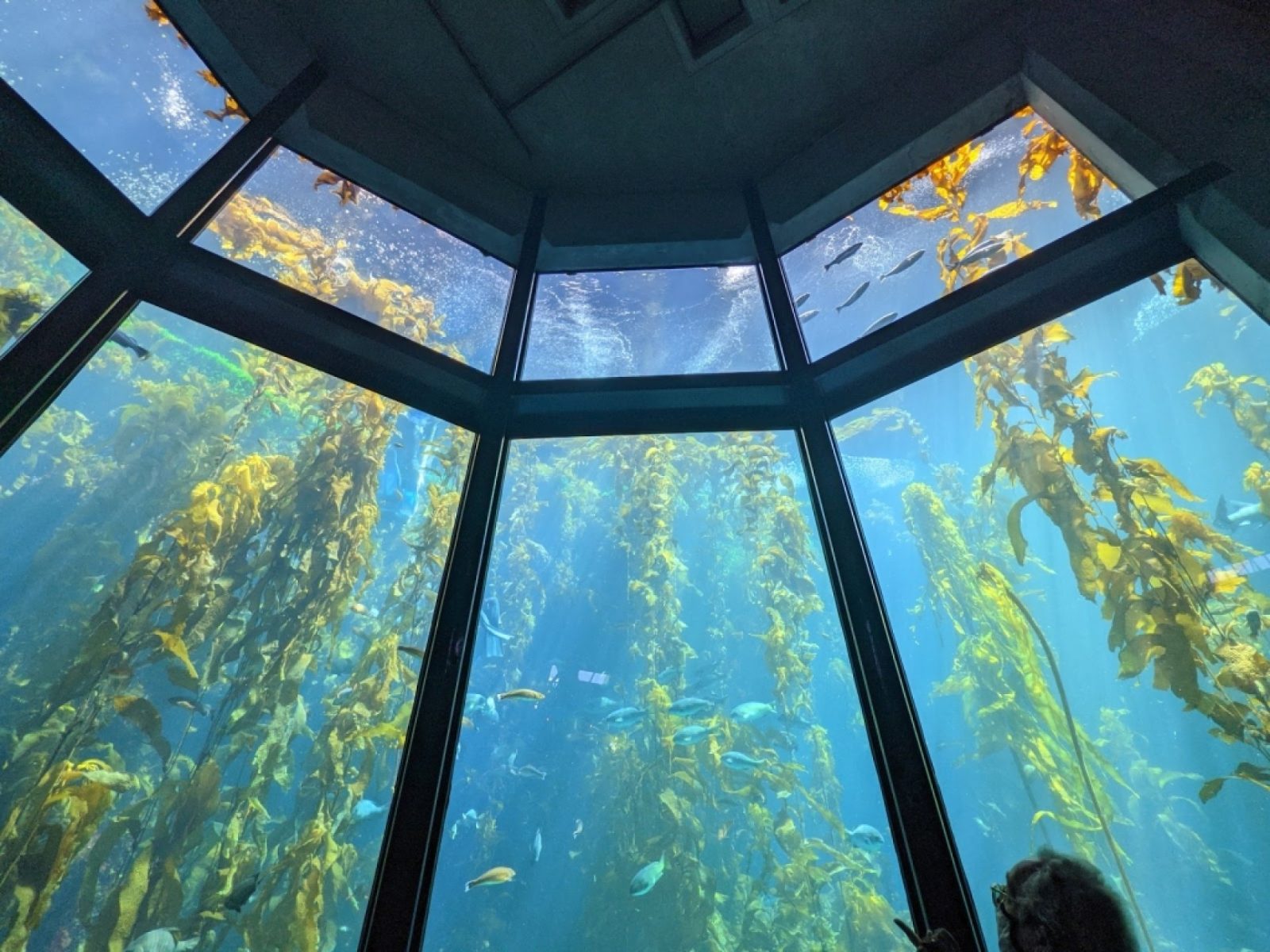
Located in nearby Monterey, this facility offers a contrast to the forest and beach setting of Carmel with extensive marine exhibits.
Everything you need to know about monterey or carmel which is better
Carmel-by-the-Sea offers a walkable village atmosphere and a scenic public beach that many families find appealing. Monterey provides more interactive attractions like the aquarium, so your choice depends on whether you prefer coastal relaxation or educational activities. Choosing between Monterey or Carmel which is better depends on your travel goals. Both towns are located along the beautiful California coastline and are quite close to each other. Visitors often struggle with the decision when evaluating Monterey or Carmel which is better for an afternoon of exploring. You can easily walk the village streets in Carmel or enjoy the historic cannery district in Monterey. Carmel-by-the-Sea is a public town and has no entrance fee for the village or the public beach. This makes it an accessible stop for anyone exploring the Monterey Peninsula. To maximize your experience when weighing Monterey or Carmel which is better, plan your arrival between 11:00 and 17:00. This window helps you avoid the morning coastal fog and provides the best conditions for walking the village. A common error is trying to see both towns in too little time without considering the driving distance. It is best to dedicate specific time for the village charm of Carmel versus the harbor history of Monterey.